

The Butterfly Dance is a Hopi ceremony petitioning for rain, and health for all living things, thanking the beautiful butterfly for pollinating plant life.
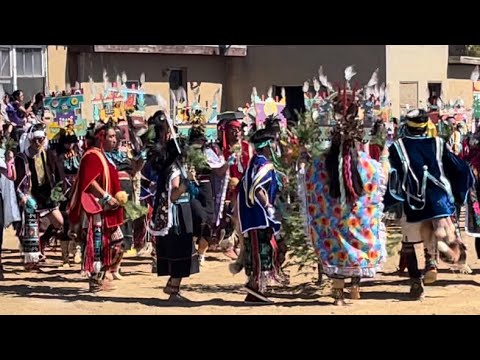
Hopi Butterfly Dance, September 2016, Kykotsmovi, Arizona
The Butterfly Dance, a traditional social dance of the Hopi, is held in August or September after the gathering of the harvest and presentation of the Snake Dance. It is a thanksgiving ceremony for the harvest, chiefly for the corn crop. Like most Hopi ceremonies, the Butterfly Dance is a petition for rain, good health and long life for all living things. The dance also recognizes the butterfly for its beauty and its contribution in pollinating plant life.
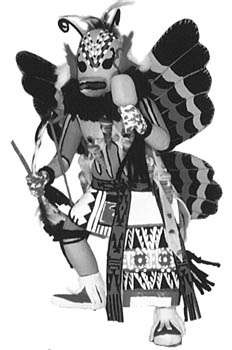
The spirit of the butterfly is also personified in Hopi Kachina figures. Kachinas are the spirit essence of everything in the real world. They represent game, plants, food, birds, insects, and even death itself is given a Kachina form. Among the various insect Kachinas are three of butterfly origin. These are Poli Sio Hemis Kachina (Zuni Hemis Butterfly Kachina), Poli Taka (Butterly Man), and Poli Mana (Butterfly Girl).
STORY: Hopi Legend: Koyaanisqatsi and World Destruction
Maidens wear an elaborately painted headdress made for them by their dance partners. This headdress or “kopatsoki” as it is called in Hopi becomes a keepsake for the Hopi maiden once the dance has concluded. Their black mantas are adorned with turquoise beads and pins and hand woven sashes.
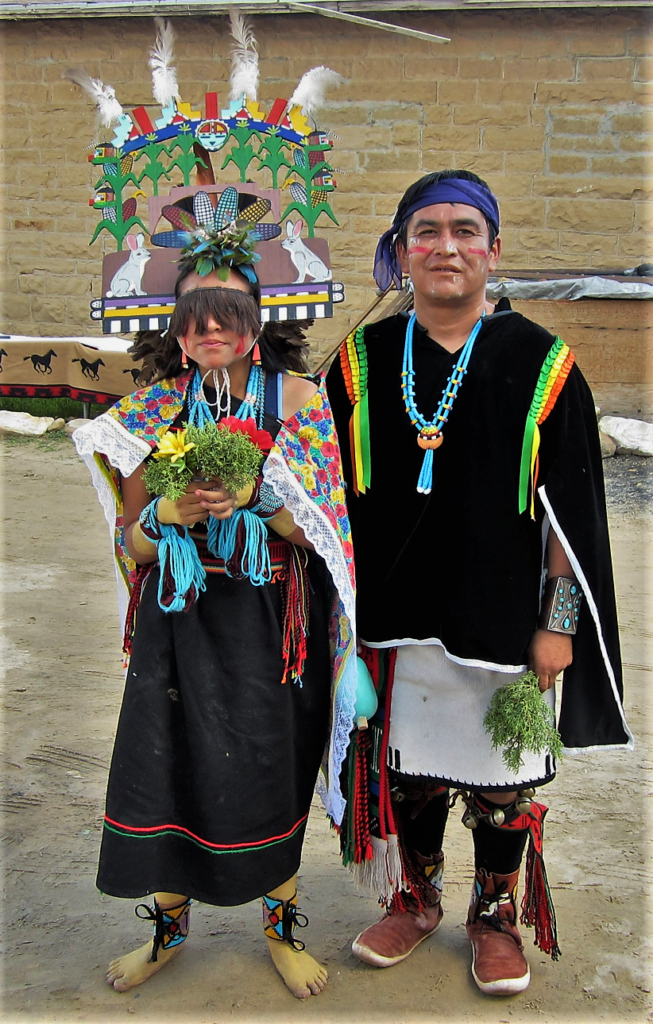
The young people learn all thirty-two songs that will be danced during the two days, along with each song’s movements. The girl’s new kopatsoki (headdress), created especially for her, is carefully placed and secured on her head. The colorful designs on the kopatsoki present her clan symbols and may include a symbol of her partner’s clan. Finally her feet are painted yellow, a color that represents the eagle’s yellow feet and will enable her to dance lightly throughout the day. — Gloria Lomahaftewa
From the Journal of American Folklore (1901): Butterfly figure prominently in prehistoric Hopi pottery and are frequently mentioned in mythological tales. There are important modern survivals of the butterfly cult in a nine day ceremony called Owakulti, occurring biennially at Oraibi and occasionally performed at Sichomovi. In the making of Owakulti medicine, butterflies symbolize summer and whistling occurs as a means of bringing summer birds. The public dance in connection with the ceremony is performed by many women bearing basket trays in their hands.
STORY: Hopi Survival and the Supernaturals: Revenge of the Kachinas
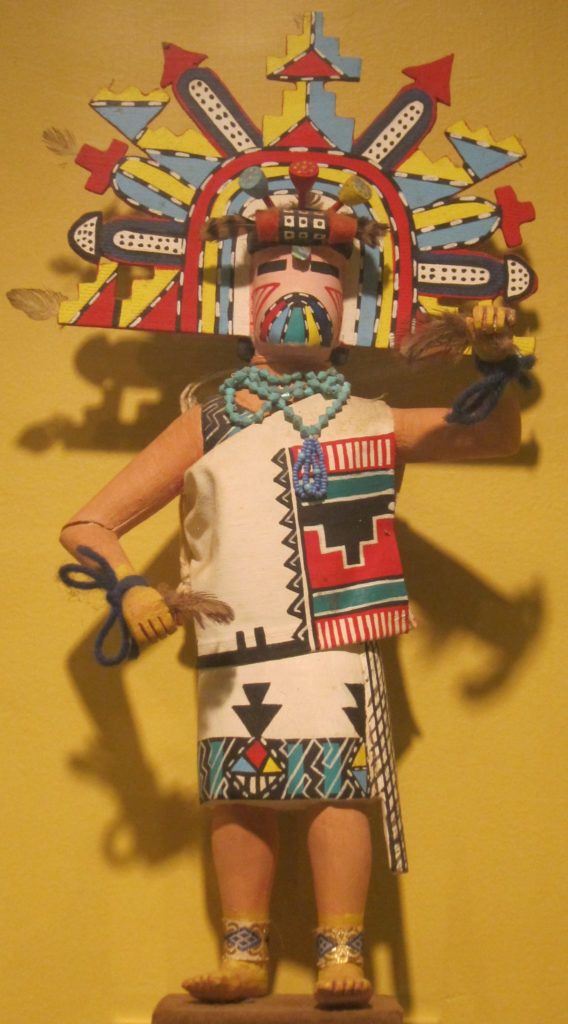
The spirit of the butterfly is also personified in Hopi Kachina figures. Kachinas are the spirit essence of everything in the real world. They represent game, plants, food, birds, insects, and even death itself is given a Kachina form. During sacred dances, men who impersonate Kachinas present carved replicas of their appearance to women and children. These figures are commonly called “Kachina dolls.” Among the various insect Kachinas are three of butterfly origin. These are Poli Sio Hemis Kachina (Zuni Hemis Butterfly Kachina), Poli Taka (Butterfly Man), and Poli Mana (Butterfly Girl).
Updated 1 February 2024

Related posts:





Pingback: American Indian Museum to Premiere New Exhibition on Saturday
I have seen the Butterfly Dance with only one maiden dancing, is this also a Hopi dance.
Pingback: BUTTERFLY DANCE